
Can Professional Couch Cleaning Remove Cat Urine Smell?
Yes, professional couch cleaning can often remove or significantly reduce cat urine smell. The final result depends on how much urine reached
Installing new flooring can change the look, comfort, and value of a Phoenix home, but the final price can vary considerably depending on the material, room size, existing flooring, and amount of preparation required.
For many Phoenix homeowners, flooring installation can range from about $3.50 to $25 or more per square foot for materials and labor combined. Carpet and basic vinyl are usually toward the lower end, while tile and hardwood tend to cost considerably more.
Understanding what is included in that price can help you create a realistic budget and compare contractor estimates more confidently.
The cost of flooring installation in Phoenix depends primarily on the flooring material you choose. However, the price per square foot should always be considered alongside labor, demolition, preparation, trim, and other project expenses.
Here is a practical starting point for estimating common flooring options.
| Flooring Type | Estimated Installed Cost Per Sq. Ft. | Estimated Cost For 500 Sq. Ft. |
|---|---|---|
| Carpet | $3.50 to $12 | $1,750 to $6,000 |
| Vinyl / LVP | $4 to $16 | $2,000 to $8,000 |
| Laminate | $4 to $14 | $2,000 to $7,000 |
| Ceramic / Porcelain Tile | $9.70 to $18.40 | $4,850 to $9,200 |
| Hardwood | $11 to $25+ | $5,500 to $12,500+ |
These figures are useful for early budgeting, but your actual quote may fall above or below them. Material quality, room layout, slab condition, installation method, and contractor pricing can all affect the final total.
Two homes with the same square footage can have completely different flooring budgets simply because of the material selected.
Each flooring type also creates different installation requirements, especially when it comes to preparation, underlayment, adhesives, cutting, and finishing.
Carpet is often one of the more affordable flooring options. Installed pricing can commonly fall between $3.50 and $12 per square foot, depending on carpet quality, padding, installation complexity, and whether the existing flooring needs to be removed.
Higher-end carpet, upgraded padding, stairs, closets, and unusual room shapes can increase the price. Homeowners considering carpet should also think about ongoing care, especially in dusty Arizona homes. Understanding how much professional carpet cleaning costs in Phoenix can help when estimating the long-term cost of maintaining the flooring.
Luxury vinyl plank, commonly called LVP, has become popular because it can provide the appearance of wood while offering easier maintenance and good resistance to everyday wear.
Installed vinyl or LVP may cost approximately $4 to $16 per square foot. The price depends on plank quality, thickness, wear layer, installation method, underlayment, and the condition of the surface below.
A floating installation over a properly prepared surface may cost less than a project requiring adhesive, moisture control, or extensive leveling.
Laminate is another relatively affordable option, with typical installed costs ranging from around $4 to $14 per square foot.
The condition of the floor underneath is important. Laminate requires a reasonably flat surface, and additional leveling or repair work can quickly increase the project cost. Underlayment may also be needed for cushioning, sound control, or moisture protection.
Ceramic and porcelain tile are common choices in Phoenix because they create a durable, easy-to-maintain surface that works particularly well in kitchens, bathrooms, entryways, and other high-use areas.
Installed tile can range from approximately $9.70 to $18.40 per square foot, although premium tile or complicated patterns may cost more. Labor is a major part of tile pricing because installers must prepare the surface, plan the layout, make precise cuts, set each tile, and complete the grout work.
Once tile is installed, regular maintenance matters because grout can gradually collect dirt and discoloration. Professional tile and grout cleaning in Phoenix can help remove embedded buildup that ordinary mopping may leave behind.
Hardwood is typically among the more expensive residential flooring options. Installed prices can range from around $11 to $25 or more per square foot.
Species, plank width, finish, engineered versus solid wood, installation method, and subfloor preparation all affect pricing. Custom patterns such as herringbone can also increase labor because they require additional measuring, cutting, and installation time.
Labor for basic flooring installation can commonly run from approximately $3 to $8 per square foot, but the amount varies significantly based on the flooring type and complexity of the job.
A straightforward floating floor in an open rectangular room may require less labor than tile installation, hardwood fastening, custom patterns, stairs, or rooms with numerous corners and transitions.
When comparing estimates, make sure you know whether the quoted per-square-foot price includes only installation labor or both labor and materials. A low advertised price can look attractive until preparation, removal, disposal, and finishing work are added.
Removing the existing flooring is another expense homeowners sometimes overlook. Flooring removal can add approximately $1 to $5 per square foot, depending on the material and how difficult it is to remove.
Carpet is generally easier to remove than tile. Old ceramic or porcelain tile can require substantial labor because the flooring, mortar, and remaining adhesive may all need to be removed before a new surface can be installed.
Disposal and hauling may also be charged separately. Ask whether your flooring estimate includes removing old material from the property rather than simply tearing it out.
The flooring material itself is only one part of the project. Several additional items can affect the final price, especially when replacing flooring in an older home.
Common additional costs can include:
Phoenix homes frequently have concrete slab foundations, so checking the condition and flatness of the slab before installation is especially important. Low areas, cracks, adhesive residue, or other surface issues may need to be addressed before the finished flooring goes down.
It is also common to purchase extra flooring material for cuts and waste. Simple layouts may require relatively little additional material, while angled rooms or complicated patterns can require more.

Square footage provides a useful starting point when planning your flooring budget, but it should never be the only factor.
For example, a 500-square-foot carpet project could cost around $1,750 to $6,000, while the same area finished in hardwood might cost $5,500 to $12,500 or more.
For a 1,000-square-foot project, even a difference of $3 per square foot changes the final budget by $3,000. This is why material selection has such a major impact on whole-home renovations.
Larger homes may also require more transitions, baseboards, furniture movement, and demolition, adding expenses beyond the simple material calculation.
A 1,200-square-foot hardwood flooring installation could cost approximately $13,200 to $30,000 or more using an estimated installed price of $11 to $25+ per square foot.
A straightforward engineered hardwood installation may fall toward the lower part of that range, while premium wood species, wider planks, custom patterns, extensive preparation, or difficult removal can push the total higher.
The best way to estimate a hardwood project is to measure the actual installation area and request an itemized quote that separates materials, labor, preparation, removal, and finishing work.
Carpet, basic vinyl, LVP, and laminate are generally among the lower-cost flooring options when compared with hardwood or premium tile.
However, the cheapest flooring at installation is not automatically the least expensive option over the life of the floor. Durability, cleaning requirements, pets, children, foot traffic, moisture exposure, and how long you plan to remain in the home should all influence the decision.
Spending more on a material that fits how your household actually uses the space can sometimes reduce the likelihood of early replacement.
Phoenix homeowners have to consider more than appearance. Desert dust, tracked-in grit, intense outdoor heat, pets, high traffic, and the type of rooms being renovated can all influence which flooring makes sense.
Tile is popular for hard-surface areas because it is durable and relatively easy to maintain. LVP can be practical for families looking for a wood-style appearance with straightforward maintenance. Carpet remains attractive for bedrooms and living areas where softness and comfort are priorities.
The right choice depends on the room, budget, maintenance expectations, and condition of the surface underneath.
DIY installation can reduce labor expenses, particularly with some click-lock laminate or LVP products. However, mistakes can become costly if measurements are wrong, the surface is not prepared correctly, or the installation does not allow for proper expansion.
Professional installation becomes especially valuable for tile, hardwood, stairs, complicated layouts, and projects requiring substantial floor preparation.
Before deciding based only on labor savings, consider equipment costs, waste from incorrect cuts, project time, warranty requirements, and the potential cost of correcting installation problems.
A good flooring quote should make it reasonably clear what you are paying for. When several contractors are competing for the same project, comparing only the final number can be misleading.
Ask whether the quote includes:
An itemized estimate makes it easier to understand why one contractor may charge more than another and can reduce unexpected expenses after installation begins.
New flooring is a major investment, and regular care can help keep it looking better after the installation crew leaves. HydroCare Services helps Phoenix homeowners maintain several common flooring surfaces through professional carpet cleaning and tile and grout cleaning, while its water damage cleanup services can help when leaks or unexpected water affect flooring and surrounding areas. Matching the cleaning method to the flooring material and addressing spills, dirt, and moisture promptly can help protect the appearance of your investment.
Flooring installation in Phoenix can range from approximately $3.50 to $25 or more per square foot for materials and labor combined. Carpet and vinyl are generally less expensive, while tile and hardwood usually cost more.
Basic flooring installation labor can commonly range from about $3 to $8 per square foot. Complex tile work, hardwood installation, stairs, custom patterns, and difficult layouts may cost more.
Removal can add approximately $1 to $5 per square foot before the cost of the new flooring and installation. Tile demolition is generally more labor-intensive than removing carpet or floating flooring.
The cost depends on the material. At $5 per square foot, a 1,000-square-foot project would cost about $5,000. At $15 per square foot, the same area would cost about $15,000 before additional preparation or specialty work.
At approximately $11 to $25+ per square foot installed, a 1,200-square-foot hardwood project could cost around $13,200 to $30,000 or more.
LVP is often less expensive to install than tile because installation generally requires less labor. Tile requires surface preparation, precise placement, setting materials, cutting, and grout work.
Not always. Some contractors include removal in their package, while others charge separately. Ask for an itemized estimate before approving the project.
Yes, significant leveling, repairs, moisture treatment, or concrete preparation are often separate from standard installation labor.
Many projects require additional material for cuts, damaged pieces, and waste. The exact amount depends on the flooring type and room layout, so confirm the recommended percentage with your installer before ordering.
DIY installation can save labor costs, but it also carries the risk of measurement errors, improper surface preparation, wasted material, or installation problems. The potential savings should be weighed against the complexity of the flooring and the experience required.
Yes, professional couch cleaning can often remove or significantly reduce cat urine smell. The final result depends on how much urine reached
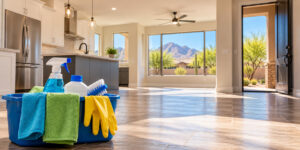
Moving into a new home is exciting, but it is also one of the best opportunities to clean the property thoroughly. Empty
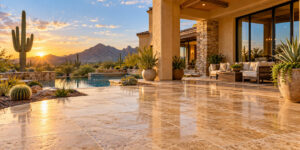
Travertine is a natural fit for many Phoenix homes. Its warm tones work well on indoor floors, patios, showers, walkways, and pool